Butterflies Miniature: A Designer’s Review
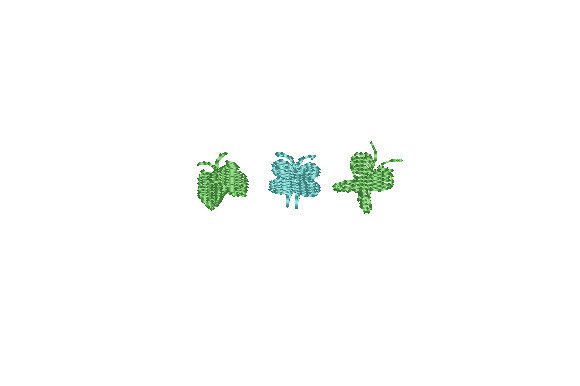
As an embroidery designer who spends countless hours digitizing and testing files for commercial use, I approach every new machine embroidery design with a critical eye. It is not just about aesthetics; it is about functionality, durability, and brand alignment. Recently, I evaluated Butterflies Miniature, a collection of three different shaped miniature butterflies. This review focuses on how this specific embroidery file performs in real-world business applications, from boutique merchandise to branded uniforms.
First Impressions: Delicate Versatility
The immediate impression of Butterflies Miniature is one of lightness and flexibility. In the world of Bugs themed Embroidery, designs can often lean too heavily into cartoonish or overly complex territories. However, these miniature shapes strike a balance. They feel playful yet refined, making them suitable for a wide range of industries. The description notes that they are made for the smallest of hoops, which signals to me that the stitch count is likely optimized for detail without bulk. This is crucial for modern branding, where subtlety often speaks louder than loud, oversized graphics.
For small business owners, the visual personality here is key. These butterflies do not scream "costume party." Instead, they whisper "handmade quality." This makes them ideal for brands that want to convey care, attention to detail, and a touch of whimsy without sacrificing professionalism. Whether you are running a floral shop, a children’s boutique, or a creative studio, the aesthetic fits seamlessly into a curated brand identity.
Real-World Business Applications
The true test of any digital embroidery file is its versatility across different substrates and products. Here is how Butterflies Miniature holds up in various commercial scenarios:
- Branded Patches: Because the design is compact, it works exceptionally well as an embroidered patch. You can create iron-on or sew-on patches for customer gifts or retail items. The small scale allows for cost-effective production, keeping material costs low while maintaining high perceived value.
- Custom Apparel and Uniforms: For cafés, bakeries, or boutiques, staff uniforms are a walking advertisement. Placing one of these miniature butterflies on the chest pocket of a work shirt or apron adds a subtle brand accent. It is far more elegant than a large back print and feels more premium.
- Cap Embroidery: Caps are tricky due to the curved surface and limited space. Since Butterflies Miniature is designed for small hoops, it is a strong candidate for cap fronts or side panels. However, careful placement is required to ensure the design does not distort over the seam.
- Tote Bag Design: Canvas tote bags are a staple for eco-friendly brands. A cluster of these three butterflies can serve as a charming corner detail or a central minimalist logo. The light nature of the design prevents the fabric from puckering excessively, which is a common issue with heavier designs on thin canvas.
- Children’s and Baby Apparel: As noted in the product description, these are perfect for children’s pockets and baby apparel. The small size is safe, soft, and visually appropriate for younger demographics. This opens up a lucrative niche for Etsy sellers specializing in handmade baby gifts.
Technical Considerations for Production
While the design is promising, successful execution depends on technical precision. As a designer, I always advise testing before full-scale production. Here are the critical factors to consider when using Butterflies Miniature:
Fabric Texture and Stabilizer
The success of any small design relies heavily on the relationship between the thread, the fabric, and the stabilizer. Because these butterflies are miniature, any instability in the hoop will result in misalignment. Always use a cut-away stabilizer for knit fabrics like t-shirts to prevent distortion after washing. For woven fabrics like aprons or tote bags, a tear-away may suffice, but test first. The fabric texture also matters; highly textured materials like thick wool or rough linen may swallow the fine details of the butterfly wings. Smooth cotton, poly-blends, and twill are your best bets for crisp results.
Stitch Density and Thread Colors
Small designs require careful management of stitch density. If the density is too high, the fabric will pucker, and the needle may break. If it is too low, the backing fabric might show through. Since I do not have the exact stitch count data here, you must inspect the file in your embroidery software. Look for consistent spacing. When selecting thread colors, contrast is vital. On dark uniforms, ensure you use bright or metallic threads to make the design pop. On light fabrics, subtle pastels can create a sophisticated, tonal look that enhances the handmade product feel.
Hoop Size and Placement
The description mentions these are made for the smallest of hoops. This is a advantage for speed and setup but requires precision. Ensure your machine’s minimum hoop size is compatible. When placing the design on curved surfaces like caps or rounded pockets, use a magnetic hoop or a specialized cap frame to keep the fabric taut. Misalignment by even a millimeter is noticeable at this scale.
Impact on Brand Identity and Customer Trust
Why choose Butterflies Miniature over a generic clipart conversion? The answer lies in brand consistency and perceived value. A professionally digitized design signals to your customers that you care about quality. When a customer receives a tote bag or a shirt with a clean, well-stitched emblem, their trust in your brand increases. It transforms a simple item into a keepsake.
For Etsy sellers and craft businesses, these design assets can be used to create cohesive collections. Imagine a line of baby bibs, burp cloths, and onesies all featuring variations of these three butterfly shapes. This visual consistency strengthens brand recognition. Furthermore, using such designs in your marketing materials, such as printable mockups, can help visualize the final product for online buyers, increasing conversion rates.
Practical Designer Notes for Implementation
Before you commit to a large run of custom apparel or merchandise, follow these steps to ensure quality control:
- Test in Black and White First: Stitch out the design in black thread on white fabric. This removes the distraction of color and allows you to see the clarity of the outlines and the smoothness of the fills.
- Check Small Patch Sizes: If you plan to make patches, stitch a sample at the exact size you intend to sell. Verify that the edges are clean and that there are no loose threads that could unravel during wear.
- Review Thread Color Contrast: Create a color chart. See how the design looks with your brand’s primary colors. Ensure there is enough contrast against your standard garment colors.
- Inspect Spacing: Zoom in on your digitizing software. Check for jumps or trims that might cause issues during high-speed commercial embroidery.
- Confirm Hoop Size: Double-check that the design fits within your available hoops with adequate margin for clamping.
- Test on Real Fabric: Do not rely solely on muslin. Test on the actual fabric you will be selling, whether it is a heavy denim apron or a soft baby onesie.
- Create a Mockup for Client Approval: If you are doing work for a client, use a printable mockup or a digital preview to get sign-off before stitching. This manages expectations and reduces waste.
- Verify Commercial Licensing: Always confirm the license terms of the digital embroidery file. Ensure you have the right to use it for physical goods sold in your small business merch line.
In conclusion, Butterflies Miniature is a versatile and professional addition to any embroidery designer’s library. Its small scale and flexible nature make it ideal for a variety of small business applications, from delicate baby clothes to sturdy work aprons. By paying attention to technical details like stabilizer choice and thread contrast, you can leverage this design to enhance your brand identity and deliver high-quality finished products that customers will love.