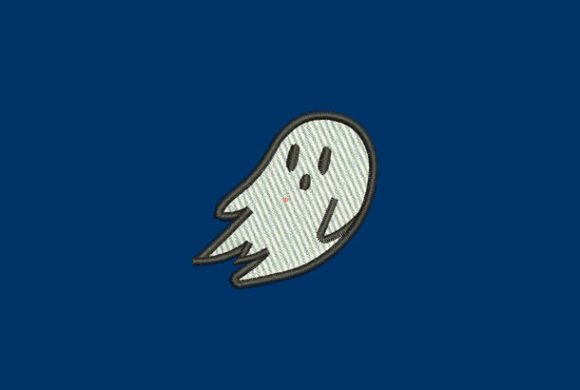
Flying Cute Ghost: A Designer’s Review
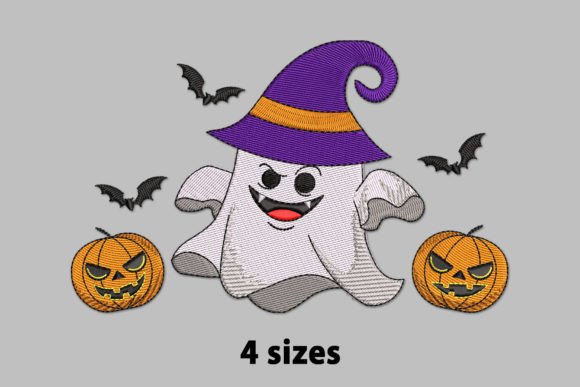
As an embroidery designer who has spent countless hours digitizing and stitching out thousands of motifs, I have developed a keen eye for what makes a design work in the real world. It is not just about how it looks on a screen; it is about how the needle interacts with the fabric, how the thread tension holds up after washing, and whether the final aesthetic resonates with the end customer. Recently, I evaluated Flying Cute Ghost, a machine embroidery design that promises to bring a whimsical touch to seasonal projects. Here is my honest assessment of its potential for craft businesses, Etsy sellers, and hobbyists alike.
First Impressions and Visual Personality
The first thing that strikes you about Flying Cute Ghost is its approachable charm. In a market saturated with spooky, grotesque, or overly complex Halloween imagery, this design opts for a lighter, more playful mood. The layout is clean, avoiding unnecessary clutter that can often plague seasonal designs. For a designer, this simplicity is a double-edged sword. It means the design must rely on strong silhouette and clever stitch placement to maintain interest, rather than hiding behind dense fill stitches.
The visual personality here is undeniably cute. It feels less like a horror motif and more like a friendly companion. This distinction is crucial for product positioning. While traditional scary ghosts might limit your audience to hardcore Halloween enthusiasts, a cute flying ghost appeals to a broader demographic, including parents looking for baby embroidery, young adults seeking trendy sweatshirt embroidery, and customers who prefer subtle holiday decor over loud statements.
Real-World Application: The Tote Bag Test
To truly understand the value of an embroidery file, I mentally place it on various substrates. Let’s consider a custom tote bag design. Canvas is a forgiving fabric, but it has a distinct texture. When I imagine stitching Flying Cute Ghost onto a natural cotton canvas, the contrast between the white or light-colored thread and the beige background creates a soft, vintage-inspired look. This is ideal for small shop products that aim for a boutique feel rather than a mass-produced aesthetic.
However, the success of this application depends heavily on stabilizer choice. Because the design features a "flying" element, there may be areas with less density or floating shapes. Using a cut-away stabilizer would ensure the fabric does not pucker around the edges of the ghost, maintaining the crispness of the outline. For an Etsy seller, this attention to detail in the finished product translates directly to customer trust and positive reviews.
Versatility Across Product Lines
One of the strongest assets of this design is its adaptability. It is not confined to a single type of garment. Here is how it performs across different categories:
- Custom Apparel: On a black hoodie, the design pops with high contrast. Using a satin stitch for the outlines can give it a polished, professional look that elevates the perceived value of the garment.
- Baby Embroidery: For onesies or bibs, the cute factor is paramount. The design’s lack of aggressive details makes it safe and appealing for nursery decor and baby gifts. However, always check the stitch density to ensure it remains soft against sensitive skin.
- Embroidered Patches: This design scales well for patches. If you are creating iron-on or velcro-backed patches for a craft business, ensure the border is defined enough to be cut cleanly without fraying.
- Kitchen Textiles: Imagine this on a tea towel or apron. It adds a touch of seasonal fun without being overwhelming, making it a great seller for holiday gift guides.
Technical Considerations for Stitching
While the aesthetic is appealing, practical execution requires careful planning. Since the product description mentions it comes with multiple formats, it is likely optimized for various hoop sizes. However, as a reviewer, I must advise caution with smaller hoops. If the design is scaled down too much, fine details may merge, and the stitch density could become too high for thin fabrics, leading to perforation or stiffness.
Thread color selection is another critical variable. While white is the obvious choice for a ghost, experimenting with pastel blues or faint greys can add depth and dimension. For those selling digital embroidery files or finished items, offering variations in thread colors can differentiate your product from competitors. Always test your thread colors on scrap fabric first. What looks vibrant on a spool may appear dull or too bright once stitched into the fabric texture.
Additionally, consider the fabric type. Stretchy fabrics like jersey require a ballpoint needle and appropriate stabilizer to prevent distortion. Curved surfaces, such as caps, present a challenge for any design with horizontal width. If you plan to use Flying Cute Ghost on a hat, ensure the design fits within the curved embroidery area without wrapping around the sides, which can cause registration issues.
Commercial Viability and Brand Consistency
For commercial embroidery projects, consistency is key. A design like this fits seamlessly into a brand that values whimsy, comfort, and approachability. It does not scream "cheap novelty"; instead, it suggests thoughtful curation. When used in printable mockups or digital product previews, the clean lines of the design render well, helping potential buyers visualize the final product clearly.
From a business perspective, this design supports a wider range of marketing angles. It is not just for October 31st. It can be marketed as part of a "spooky season" collection that extends from September through November, or even as a year-round cute motif for fans of paranormal aesthetics. This extended shelf life increases the return on investment for the time spent digitizing or purchasing the design assets.
Final Verdict and Practical Advice
In conclusion, Flying Cute Ghost is a solid addition to any designer’s library, particularly for those targeting the family-friendly or light-hearted segment of the Halloween market. Its strength lies in its simplicity and versatility. However, its success depends on the maker’s technical proficiency.
Before launching this design in your small shop or using it for client projects, take these steps:
- Test on Scrap Fabric: Never skip this step. Check for puckering, thread breaks, and overall stitch quality.
- Verify Licensing: Confirm whether the license allows for commercial use if you plan to sell finished products. This is non-negotiable for professional integrity.
- Check Stitch Density: Ensure the density is appropriate for your chosen fabric. Adjust if necessary to prevent stiffness.
- Experiment with Backgrounds: Test the design on both light and dark fabrics to determine the best thread combinations for contrast and visibility.
By approaching Flying Cute Ghost with a designer’s eye and a practitioner’s caution, you can create high-quality, engaging products that resonate with customers and stand out in a crowded marketplace. It is a design that rewards attention to detail, offering a charming result that enhances the appeal of any handmade product.