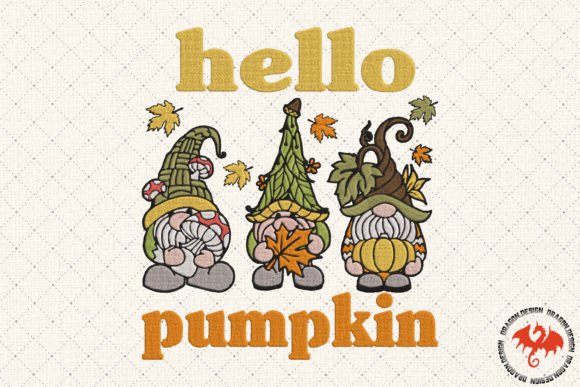
Hello Pumpkin Gnomes: A Designer’s Review
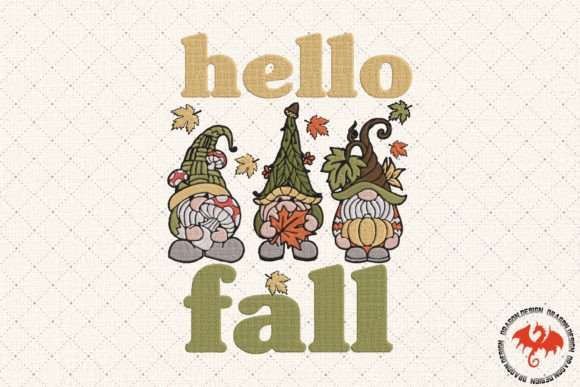
As an embroidery designer who spends countless hours digitizing and testing files for commercial use, I approach every new machine embroidery design with a critical eye. It is not just about whether a motif looks cute on a screen; it is about how it performs in the real world of small business merchandise. Recently, I evaluated Hello Pumpkin Gnomes, a seasonal design that promises to bring warmth and whimsy to various textile applications. For shop owners, Etsy sellers, and apparel decorators, understanding the practical viability of such a design is crucial before committing to production runs.
First Impressions and Visual Personality
The immediate impression of Hello Pumpkin Gnomes is one of approachable charm. In the context of Autumn themed collections, this design strikes a balance between playful and rustic. It does not attempt to be overly modern or minimalist; instead, it leans into the cozy, handmade aesthetic that customers often seek during the fall season. For a boutique or a creative studio, this visual personality can serve as a powerful tool to humanize a brand. It feels friendly and inviting, which is essential when creating items intended as gifts for friends and family.
However, from a professional standpoint, "cute" must not compromise clarity. The design needs to hold its integrity when scaled down for patches or expanded for tote bags. The initial assessment suggests that the elements are distinct enough to avoid merging, provided the correct stitch density is maintained. This is a vital consideration for any digital embroidery file intended for commercial use, where consistency across different products is key to maintaining a polished look.
Real-World Applications for Small Business Merch
When considering where to apply Hello Pumpkin Gnomes, the versatility of the design becomes apparent. For small business owners, particularly those in the bakery, florist, or pet brand sectors, this design offers excellent potential for branded merchandise. Here is how it performs across common applications:
- Embroidered Patches: This is perhaps the strongest use case. An embroidered patch allows for maximum control over the backing and application. The gnome and pumpkin motifs can be saturated with rich thread colors, creating a tactile, premium feel that enhances the perceived value of the item.
- Apron Embroidery: For cafes and bakeries, staff uniforms are walking advertisements. Placing this design on the chest pocket or lower corner of an apron adds a touch of personality without overwhelming the professional appearance. It signals to customers that the business values detail and seasonal relevance.
- Cap Embroidery: Front-panel cap designs require careful attention to curvature. Hello Pumpkin Gnomes works well here if the width is managed correctly. It serves as a subtle accent that can drive brand recognition among loyal customers who appreciate seasonal limited-edition gear.
- Tote Bag Design: Canvas totes are staples for handmade brands. The design can be centered for a bold statement or placed off-center for a more understated look. The robust nature of canvas fabric supports the stitch structure well, ensuring durability through frequent washing.
These applications highlight how the design can function as more than just decoration; it becomes an integral part of your brand identity. By using consistent imagery across different touchpoints, you build trust and familiarity with your audience.
Navigating Technical Challenges and Fabric Constraints
While the aesthetic appeal is strong, technical execution is where many projects fail. As a designer, I must advise caution regarding specific use cases. The complexity of gnome features, such as hats and beards, combined with pumpkin textures, requires precise digitizing. If the thread colors lack sufficient contrast, details may get lost, especially on dark uniforms or textured fabrics.
Small patch sizes present another challenge. If you intend to use this as a tiny label or a sleeve detail, you must verify that the fine lines do not break or bunch up. High stitch density can cause puckering on lightweight fabrics, so choosing the right stabilizer is non-negotiable. For curved surfaces like caps, the design must be tested to ensure it does not distort when hooped. Always consider the fabric texture; a rough linen may swallow small stitches, while a smooth polyester might show every imperfection.
Furthermore, items that undergo frequent industrial washing, such as staff work shirts, need robust underlay stitching. Without proper stabilization and secure anchoring, the longevity of the finished product could be compromised, leading to customer dissatisfaction.
Enhancing Brand Identity and Customer Engagement
Incorporating Hello Pumpkin Gnomes into your product line does more than add seasonal flair; it strengthens your narrative. For handmade brands and craft businesses, the perception of quality is tied directly to the professionalism of the embellishments. A well-executed embroidery piece signals effort and care, which justifies higher price points and fosters customer loyalty.
Visual consistency is paramount. When this design appears on packaging accents, social media posts, and physical products, it creates a cohesive brand experience. This consistency aids in recognition, making your small business merch instantly identifiable. Moreover, seasonal designs create urgency and excitement, encouraging repeat purchases from customers who want to refresh their collection with the changing seasons.
Practical Notes for Production and Licensing
Before launching any campaign featuring this design, there are several critical steps every designer and business owner must take. First, always test the design in black and white. This reveals whether the shape and form are clear without relying on color contrast. If the silhouette is weak, the design will fail regardless of how vibrant the threads are.
Second, confirm the technical specifications. The product description notes that this machine embroidery design comes with multiple embroidery file formats and can be used with many machines. However, it does not specify exact stitch counts, hoop sizes, or detailed license terms. You must check these details before production. Knowing the required hoop size ensures you have the appropriate equipment, while understanding the license prevents legal issues regarding commercial use.
Create a printable mockup for client approval or internal review. Compare the design beside other existing design assets to ensure it complements your current lineup rather than clashing with it. Finally, run a physical test on the actual fabric you intend to use. Digital simulations cannot fully replicate how thread interacts with specific materials.
In conclusion, Hello Pumpkin Gnomes is a promising asset for autumn-themed commercial embroidery projects. It offers a blend of charm and professionalism that, when executed with technical precision, can significantly enhance your branded merchandise. By paying attention to stabilizer choice, fabric compatibility, and licensing details, you can transform this digital file into a tangible driver of business growth.