Little Boo: A Designer’s Review for Branded Merch
As an embroidery designer who has spent years digitizing and testing files for commercial use, I approach every new machine embroidery design with a critical eye. It is not just about whether a motif looks cute on a screen; it is about how it performs under the needle, how it holds up after washing, and ultimately, how it serves the brand identity of the small business owner using it. Recently, I evaluated Little Boo, a Halloween-themed character that promises to balance spookiness with charm. For boutique owners, Etsy sellers, and apparel decorators looking to expand their seasonal small business merch, this review breaks down the practical viability of this design.
First Impressions: Balancing Playfulness and Professionalism
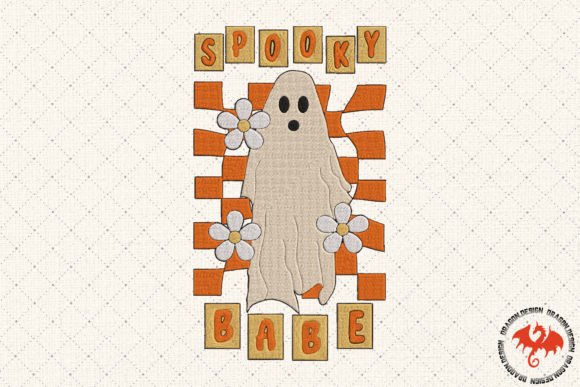
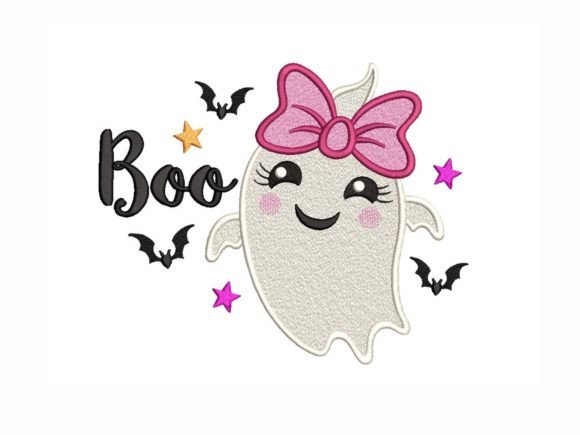
The immediate appeal of Little Boo lies in its ability to soften the traditional horror aesthetic of October. Many Halloween designs lean heavily into gore or stark, aggressive imagery, which limits their commercial application to niche markets. Little Boo, however, offers a lovely character that feels friendly and approachable. From a branding perspective, this is crucial. It allows businesses like bakeries, florists, pet brands, and creative studios to participate in the seasonal trend without alienating customers who prefer a softer, more family-friendly vibe.
The design feels handmade and decorative, yet clean enough to appear premium. When I visualize this as part of a brand identity, it suggests a business that values warmth and community. It is not just a spooky graphic; it is an invitation. For a local café or a handmade shop, this tone is perfect for building customer trust and engagement during the autumn months.
Real-World Applications for Small Business Merchandise
The true test of any digital embroidery file is its versatility across different products. Little Boo shines in several key areas of commercial embroidery:
- Embroidered Patches: This is perhaps the strongest use case. A well-digitized ghost character makes for an excellent iron-on or sew-on patch. Patches are low-risk inventory for small businesses because they can be applied to various items later. Little Boo works well here as a standalone accent that customers can buy to customize their own jackets or bags.
- Staff Uniforms and Aprons: For bakeries and boutiques, staff apparel is a walking advertisement. Embroidering Little Boo on the chest pocket of an apron adds a touch of seasonal personality without being overwhelming. It humanizes the staff and creates a cohesive look that customers appreciate.
- Tote Bag Design: Canvas tote bags are staples for craft fairs and retail shops. Placing this design on a tote creates a functional piece of custom apparel that customers will use year-round, extending the life of your marketing beyond October.
- Cap Embroidery: A small version of this character on the side or front of a dad hat or baseball cap is a trendy option. However, placement is key, which I will discuss in the technical notes below.
By integrating Little Boo into these items, you transform simple goods into branded assets. It elevates a standard tote bag into a collectible item and turns a plain apron into a conversation starter.
Technical Considerations and Production Challenges
While the aesthetic is strong, production reality requires careful planning. The product description notes that this machine embroidery design comes with multiple embroidery file formats, which is essential for compatibility with different machines. However, before running a full batch, you must address several technical factors.
Stitch Density and Fabric Texture
Halloween designs often rely on bold shapes, but the success of Little Boo depends on its stitch density. If the density is too high, it can cause puckering, especially on lighter fabrics like cotton tote bags or thin uniform shirts. Conversely, if the density is too low, the underlying fabric might show through, ruining the clean look of the ghost. I recommend testing the design on the exact fabric texture you plan to use. Dense twill for patches behaves differently than lightweight jersey for t-shirts.
Size Constraints and Detail Loss
One common mistake in commercial embroidery is scaling a design down too far. If you intend to use Little Boo as a small chest logo or on a curved cap front, ensure the details remain visible. Tiny outlines can break or become indistinct at small sizes. Always check the minimum recommended hoop size provided with the file. If the design includes fine details, it may not survive reduction below two inches without losing its character.
Thread Colors and Contrast
The visual impact of this design relies heavily on thread colors. While white thread on a black background is classic for ghosts, consider how it looks on navy, charcoal, or dark green uniforms. High contrast is necessary for recognition. If you are embroidering on dark uniforms, ensure you have a sufficient underlay to prevent the garment color from dulling the white threads. Additionally, if the design includes any accent colors, verify that they complement your brand’s existing palette to maintain visual consistency.
Enhancing Brand Identity and Customer Trust
Using a cohesive design like Little Boo across your product line strengthens your brand identity. When a customer sees the same high-quality embroidered ghost on your packaging, your staff’s aprons, and your social media posts, it creates a sense of professionalism. It signals that you pay attention to detail. In the world of handmade products, this perceived value can justify higher price points.
Moreover, seasonal merchandise drives urgency. By offering limited-edition items featuring Little Boo, you encourage repeat visits from customers who want to capture the seasonal spirit. It shows that your business is active, current, and engaged with cultural moments, which fosters a deeper connection with your community.
Practical Designer Notes for Commercial Use
Before you commit to producing hundreds of units, follow these steps to ensure quality control:
- Test in Black and White First: Print or stitch a monochrome version to check the clarity of the shape. If the silhouette is not recognizable without color, the design may need adjustment or larger sizing.
- Verify Stabilizer Requirements: Use the proper stabilizer for your fabric. Cut-away stabilizer is generally best for garments that will be washed frequently, while tear-away may suffice for decorative patches that won't undergo heavy stress.
- Create a Printable Mockup: Before stitching, create a printable mockup to show clients or stakeholders. This helps confirm placement and size expectations without wasting thread and fabric.
- Check Commercial Licensing: Always confirm the license terms included with the embroidery file. Ensure you have the right to use the design for commercial purposes, especially if you are selling the finished product rather than just using it for internal staff uniforms.
- Inspect Spacing and Jump Stitches: Review the digitizing for efficient pathing. Excessive jump stitches can lead to thread tails that require tedious trimming, increasing your labor costs.
In conclusion, Little Boo is a versatile asset for the right business. It bridges the gap between festive fun and professional branding. By paying attention to technical details like hoop size, stabilizer choice, and fabric compatibility, you can leverage this design to create memorable, high-quality merchandise that enhances your brand’s autumn presence. Whether used on a cozy tote bag or a crisp staff apron, this adorable ghost has the potential to become a beloved part of your seasonal collection.