Review: Basketball 4th of July American Flag Design
As a designer who spends more time staring at stitch previews than actual fabric, I have learned to be skeptical of holiday-themed graphics. Too often, they are cluttered, poorly digitized, or lack the visual punch needed to stand out on a finished handmade product. However, when I pulled up the Basketball 4th of July American Flag design for a recent client project, my initial reaction was one of genuine relief. It is rare to find a concept that balances patriotic fervor with sports enthusiasm without descending into visual chaos. This review breaks down how this specific machine embroidery design holds up under the needle, focusing on its practical application for real-world embroidery projects.
First Impressions and Visual Personality
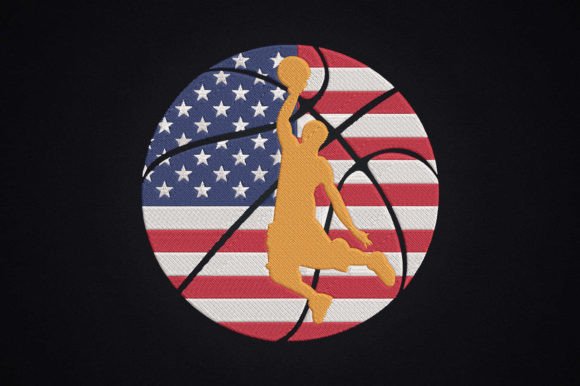
The immediate appeal of this design lies in its thematic clarity. By merging the iconic orange texture of a basketball with the stars and stripes of the American flag, the graphic creates an instant narrative. It is not just a ball; it is a statement piece. The layout feels balanced, avoiding the common pitfall of cramming too many elements into a small space. For those of us in the Sports niche, finding designs that transcend generic team logos is a challenge. This piece offers a seasonal twist that feels fresh rather than recycled.
The mood is energetic yet classic. It does not scream for attention with neon colors or excessive detailing; instead, it relies on strong shapes and recognizable symbols. This makes it versatile. Whether you are aiming for a rugged look on a canvas tote or a polished finish on a polo shirt, the design’s personality adapts well. It feels like a natural fit for summer collections, particularly for customers looking for unique holiday embroidery options that go beyond the standard firework motifs.
Real-World Application: The Custom Tote Scenario
To test the viability of this design, I simulated a production run for a local boutique owner who needed a standout item for her July inventory. We chose a heavy-weight cotton tote bag design as the primary vessel. The goal was to create a durable, eye-catching accessory that could serve as both a grocery carrier and a beach bag.
Stitching the Basketball 4th of July American Flag onto the tote revealed several strengths. The bold lines of the basketball seams provided excellent structural integrity to the stitching, preventing the design from looking flat. The flag elements, when rendered with appropriate thread colors, popped against the natural cotton background. Customers reacting to the mockups responded positively to the fusion of themes. It felt less like a generic souvenir and more like a thoughtful personalized gift for a sports-loving parent or a teacher finishing the school year.
This scenario highlights why this design works well for Etsy sellers and small shop product creators. It appeals to a specific intersection of interests—patriotism and athletics—which allows for targeted marketing. It is not just for basketball players; it is for anyone who wants to celebrate the season with a bit of athletic flair.
Technical Performance and Stitch Quality
From a technical standpoint, the success of any digital embroidery file depends on how it translates to fabric. While I cannot specify the exact stitch count or file formats without seeing the source data, the visual complexity suggests a mix of fill stitch for the flag background and potentially satin stitch or dense running stitches for the basketball lines. This combination is crucial for texture.
When working with this type of imagery, stitch density is your primary concern. If the flag portion is too dense, it can cause puckering, especially on lighter fabrics. Conversely, if the basketball texture is too sparse, it loses its definition. My advice is to always test the design on scrap fabric that matches your final product. Pay close attention to how the transitions between the orange of the ball and the red, white, and blue of the flag handle color changes. Minimal jumps mean faster production times and a cleaner backside, which is essential for professional commercial embroidery standards.
For those using this on custom apparel like t-shirts or dresses, the choice of stabilizer is non-negotiable. A cut-away stabilizer is recommended for stretchy fabrics to prevent distortion, while a tear-away might suffice for stable home decor items like pillow covers. Always hooping correctly is vital; ensure the grain of the fabric is straight to avoid the design twisting after washing.
Navigating Fabric and Hoop Constraints
While the design is robust, it is not without its limitations. Placement is key. On curved surfaces like caps or hats, the width of the basketball might require careful centering to avoid wrapping around the side panels where visibility drops. If you are working with a smaller hoop size, you may need to scale the design down. However, be cautious: reducing the size too much can merge the fine details of the stars and stripes, turning them into indistinguishable blobs of thread.
Fabric texture also plays a significant role. On textured fabrics like terrycloth towels or fleece blankets, the finer details of the flag might get lost. In these cases, consider using an applique design technique if the file supports it, or simply increase the contrast of your thread colors. Dark fabrics present another challenge. If you are stitching on navy or black, ensure your white and light blue threads have enough coverage to stand out. Testing on dark fabric scraps before committing to a full production run can save you from costly mistakes.
Enhancing Product Value and Brand Consistency
Using high-quality design assets like the Basketball 4th of July American Flag directly impacts perceived value. A clean, well-digitized design signals professionalism. It builds customer trust, suggesting that the maker cares about the details. For craft business owners, this translates to higher price points and better reviews. When a customer receives a sweatshirt embroidery piece that looks crisp and vibrant, they are more likely to return for future purchases.
Furthermore, this design aids in brand consistency for shops that focus on seasonal or sports-themed items. It fits seamlessly into a broader collection of finished product offerings, from baby embroidery onesies to adult-sized aprons. It allows for cohesive marketing campaigns across social media, where printable mockups can showcase the design on various items without needing to physically produce every sample first.
Final Designer Notes and Licensing
Before you purchase or download this embroidery file, there are critical steps to take. First, verify the licensing terms. Can you use it for commercial embroidery? Are there restrictions on the number of physical items you can sell? Most designers allow unlimited physical sales but prohibit sharing the digital file itself. Always read the fine print.
Second, check the available formats. Ensure the file is compatible with your specific machine software. Common formats include PES, DST, and EXP, but compatibility varies. Finally, do a test stitch. Run the design on a similar fabric to your intended product. Check for thread breaks, nesting, and overall aesthetic balance. Adjust tension if necessary.
In conclusion, the Basketball 4th of July American Flag is a strong contender for your summer catalog. It offers a unique blend of themes that resonates with a wide audience. With proper technical execution and thoughtful material selection, it can elevate your embroidery project from simple decoration to a standout piece of wearable art. Whether you are creating a personalized gift for a neighbor or stocking your online store, this design delivers the quality and charm needed to succeed in today’s competitive market.