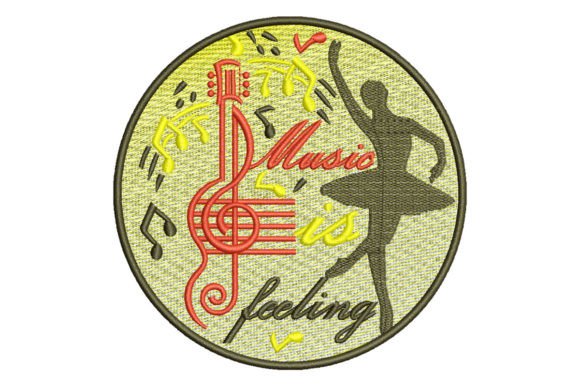
Reviewing Music is Feeling for Boutique Sweatshirts
As an embroidery designer who has spent years refining digitizing techniques and selecting the perfect motifs for apparel, I approach every new machine embroidery design with a critical eye. It is not just about whether the design looks good on a screen; it is about how it translates to fabric, how it withstands wear, and ultimately, how it elevates a brand. Recently, I had the opportunity to evaluate Music is Feeling, a design intended for a limited-edition sweatshirt drop for a small boutique brand. The goal was simple: create a line of cozy, expressive apparel that resonates with music lovers while maintaining a high-end, handmade aesthetic. Here is my professional breakdown of how this design performs in a real-world commercial setting.
First Impressions: Mood and Aesthetic Appeal
The title Music is Feeling immediately sets a tone that is both emotional and artistic. In the world of custom apparel, typography and thematic imagery must work in harmony to convey a message without being overly literal. Upon reviewing the preview files, the design strikes a balance between playful and decorative. It does not scream for attention with aggressive boldness; instead, it invites the viewer in with a sense of rhythm and flow. For a boutique brand targeting creative entrepreneurs and music enthusiasts, this subtlety is key. It feels less like a merchandise logo and more like a piece of wearable art.
The layout appears versatile. Whether placed on the left chest of an oversized hoodie or centered on the back of a crewneck, the composition holds its own. For neutral sweatshirts in shades of oatmeal, charcoal, or sage, the design adds a necessary focal point without overwhelming the garment. On darker fabrics, such as navy or black, the potential for high-contrast thread colors allows the design to pop, creating a striking visual that works well for lifestyle product photography. Conversely, on pastel colors, the design takes on a softer, more feminine or rustic charm, depending on the thread palette chosen.
Technical Considerations for Sweatshirt Embroidery
When moving from digital concept to physical finished product, technical execution is everything. Sweatshirts and hoodies present unique challenges due to their fabric texture and thickness. The fleece interior and cotton exterior can cause sinking if the stabilizer choice is incorrect. For Music is Feeling, I recommend using a medium-weight cut-away stabilizer. This ensures that the stitches remain stable over time, preventing distortion after multiple washes. Since the product description notes that this is a "quick and easy" way to add personality, it suggests the stitch count is likely optimized for efficiency, which is crucial for small shop owners managing production timelines.
Stitch density is another critical factor. If the density is too high, the fabric may pucker, especially on thinner seasonal apparel. If it is too low, the backing might show through. Based on the visual complexity of the design, it appears to have a balanced density suitable for standard terry cloth or French terry fabrics. However, I always advise running a test stitch-out on the exact fabric batch you intend to use. This is particularly important for sleeve accents or smaller placements where the hoop size might limit your ability to re-hoop easily. Ensuring the design reads clearly at smaller sizes is vital for readability, especially if you plan to use it as a subtle branding element on cuffs or pockets.
Fabric and Thread Pairing Strategies
- Neutral Tones: Use monochromatic threads (e.g., cream on beige) for a minimal, high-end look that appeals to modern aesthetics.
- Dark Fabrics: Opt for metallic or high-sheen rayon threads to create contrast and highlight the intricate details of the embroidery file.
- Pastels: Matte cotton threads can enhance the rustic, handmade feel, making the design appear soft and approachable.
Commercial Viability and Brand Identity
For an Etsy seller or a small business owner, the right design asset can significantly impact buyer trust and brand identity. Music is Feeling offers a narrative element that customers connect with emotionally. Music is a universal language, and apparel that expresses this connection often sees higher engagement on social media platforms. When used in printable mockup previews, the design helps visualize the final product, reducing hesitation in the buying process. It transforms a basic sweatshirt into a statement piece, thereby increasing the perceived value of the item.
From a commercial perspective, the versatility of this digital embroidery file is a major asset. It is not limited to clothing. As the description suggests, it can be used on home decor, bags, and accessories. This allows brands to create cohesive collections. Imagine a matching tote bag and hoodie set featuring the same motif. This cross-product consistency strengthens visual recognition and encourages larger basket sizes. For handmade product lines, having a reliable, high-quality design that works across various materials is essential for scaling operations without sacrificing quality.
Placement and Design Application
Where you place Music is Feeling changes its entire vibe. A left-chest placement on a zip-up hoodie feels classic and understated, suitable for everyday wear. A large back print on an oversized sweatshirt makes a bold statement, ideal for concert-goers or casual streetwear styles. I also experimented with placing a scaled-down version on the sleeve cuff. This required careful attention to the hoop size and registration, but the result was a delightful, unexpected detail that customers love. These small touches often lead to positive reviews and repeat business because they signal attention to detail.
For those creating content for online listings, the design photographs beautifully. The texture of the embroidery adds depth to flat-lay photos, making the small shop product stand out against competitors who might use plain printed graphics. Embroidery implies durability and craftsmanship, two qualities that justify a higher price point in the custom apparel market.
Final Verdict for Designers and Makers
In conclusion, Music is Feeling is a strong contender for any designer looking to expand their music-themed collection. It bridges the gap between cute and sophisticated, making it appropriate for a wide demographic. While the product description highlights its ease of use, successful implementation still requires proper technique regarding stabilizer selection and thread tension. Always check the specific file format and license terms provided with the download to ensure compliance with your business model, especially if you are producing for commercial embroidery purposes.
If you are preparing a seasonal drop or looking to refresh your catalog with meaningful, emotive designs, this embroidery file delivers. It respects the fabric, honors the theme, and provides the flexibility needed for creative experimentation. For handmade business owners, it is not just a design; it is a tool for storytelling. By integrating Music is Feeling into your next project, you are not just selling a sweatshirt; you are selling a sentiment, wrapped in the timeless appeal of machine embroidery.