Baby Deer: A Designer’s Review for Real Embroidery Projects
As a designer who spends more time staring at stitch previews than I do sleeping, I have learned that cuteness alone does not make a viable machine embroidery design. We have all seen those overly complex files that look stunning on a screen but turn into a tangled mess of thread breaks and puckering on actual fabric. So, when I pulled up the Baby Deer file for a recent batch of custom orders, I approached it with my usual skepticism. I needed to know if this design could hold up under the needle, not just in a digital mockup.
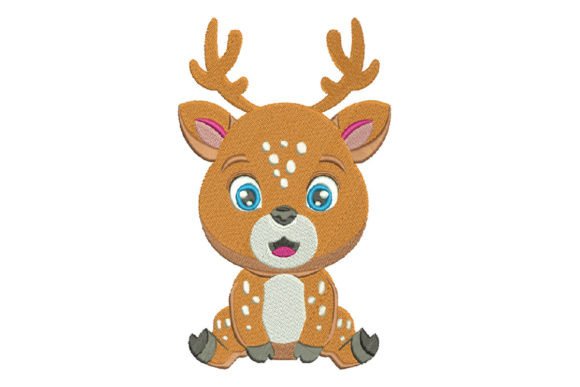
The first impression of Baby Deer is one of gentle warmth. It fits squarely into the Baby Animals category, but it avoids the trap of being overly cartoonish or cluttered. The lines are clean, and the visual personality is soft, which is exactly what you want when working on items meant for infants or young children. For those of us running a craft business or selling on Etsy, visual appeal is the hook, but stitching clarity is what keeps customers coming back. This design strikes a balance that feels professional yet approachable.
Real-World Application: The Custom Tote Test
To truly evaluate an embroidery project, you have to take it off the screen and into the hoop. I recently had a client request a set of personalized tote bags for a baby shower gift. They wanted something neutral enough for any gender but distinct enough to feel special. Baby Deer was my immediate candidate. I placed the design on a natural canvas tote, using a contrasting cream thread against the beige fabric to test the subtlety of the outlines.
The result was charming. Because the design is not overly dense, it did not warp the fabric of the tote bag. This is a critical consideration for any tote bag design. Heavy fill stitches can cause thin canvas to pucker, ruining the finished product. With Baby Deer, the layout allows the fabric to breathe. It sits flat, maintaining the structural integrity of the bag while adding that coveted handmade touch. For an Etsy seller, this reliability means fewer returns and happier customers who receive a high-quality handmade product.
Versatility Across Apparel and Home Decor
Beyond totes, I tested this digital embroidery file on several other substrates to gauge its versatility. The product description notes it is perfect for children’s clothes, baby bibs, onesies, and pajamas. I found this to be accurate, but with some caveats regarding fabric choice.
On a cotton onesie, the design performed beautifully. The scale felt appropriate for the small chest area, creating a focal point that was adorable without being overwhelming. This makes it an excellent choice for baby embroidery projects where comfort is paramount. However, when I moved to a fleece sweatshirt for a sweatshirt embroidery sample, I had to adjust my expectations. Fleece has a deep pile, which can swallow up fine details. While Baby Deer held up well, I noticed that the finer lines required a higher contrast thread color to remain visible. If you are using this on dark or textured fabrics, pay close attention to your thread colors. A matte thread often works better than a shiny rayon here, as it reduces glare and helps the shape read clearly.
I also experimented with using it as an embroidered patch. By stitching it out on twill with a heavy cut-away stabilizer and then cutting it out, I created a durable appliqué-style accent. This opens up possibilities for custom apparel like denim jackets or backpacks, where direct embroidery might be difficult due to seams or thick layers. This adaptability increases the commercial value of the design, allowing you to offer varied design assets to your clients.
Technical Considerations for Designers
Let’s talk about the technical side, because this is where many hobbyists stumble. While Baby Deer is user-friendly, it is not immune to the laws of physics. Here are my practical notes for anyone planning to use this in a commercial embroidery setting:
- Stabilizer is non-negotiable: Even though the design is not excessively dense, using the correct stabilizer is crucial. For knits like onesies, I recommend a tear-away backed with a light fusible interfacing to prevent stretching during stitching. For woven fabrics like tote bags, a cut-away provides long-term durability.
- Check your hoop size: The description mentions multiple sizes, which is standard for quality embroidery files. Always confirm the largest size fits your hoop before starting. If you are working on a curved surface like a cap, ensure the design dimensions allow for proper placement without hitting the seam.
- Test on scrap first: Never run a new design directly on your final garment. Stitch it out on a scrap piece of the same fabric. This allows you to check for thread breaks, tension issues, and overall stitch density compatibility with your specific machine.
- Contrast matters: On white or light pastels, subtle details can get lost. I highly recommend testing your design in a black-and-white mockup or stitching it in a single dark color on light fabric to see if the shapes remain distinct. If the details disappear, you may need to simplify the thread palette or increase the contrast.
Commercial Viability and Brand Consistency
For small shop owners and creative entrepreneurs, the question is always: "Will this sell?" Baby Deer has strong giftability. It fits seamlessly into niches like nursery decor, holiday gifts, and personalized baby announcements. The mood it creates is one of tenderness, which resonates deeply with buyers looking for meaningful personalized gifts.
However, brand consistency is key. If your shop focuses on bold, modern, geometric designs, this soft, organic motif might feel out of place. But if your brand leans toward rustic, woodland, or gentle aesthetics, this design is a perfect fit. It enhances brand consistency by reinforcing a cohesive visual language across your small shop product line.
When creating printable mockups for your online listings, ensure you show the design on various backgrounds. Customers need to visualize how Baby Deer looks on a bib versus a pillow cover. High-quality photos that highlight the texture of the stitches build customer trust and justify your pricing. Remember, you are not just selling a stitch-out; you are selling the emotion and quality associated with your finished product.
Final Verdict
In conclusion, Baby Deer is a solid addition to any designer’s library of Baby Animals motifs. It is not just cute; it is functional. It respects the limitations of different fabrics and hoop sizes while delivering a polished look. Whether you are creating holiday embroidery for seasonal sales or everyday custom apparel for local clients, this design offers the reliability you need.
Just remember to do your homework. Check the licensing terms to ensure you are compliant for commercial use. Verify the file formats match your machine’s requirements. And most importantly, treat each stitch-out as a unique interaction between thread, fabric, and tension. With careful attention to detail, Baby Deer can become a staple in your portfolio, helping you create memorable, high-quality items that stand out in a crowded market.