Rottweiler Puppy Embroidery: A Designer’s Review
As an embroidery designer who has spent years digitizing and testing files for commercial use, I approach every new machine embroidery design with a critical eye. It is not just about whether the image looks cute on a screen; it is about how that design translates to fabric, how it holds up in production, and ultimately, how it serves a business owner’s brand. Today, I am reviewing the Rottweiler Puppy design, a piece of dog art intended for realistic representation. This review is tailored for small business owners, apparel decorators, and handmade brands looking to integrate high-quality animal motifs into their product lines.
First Impressions: Realism Meets Commercial Viability
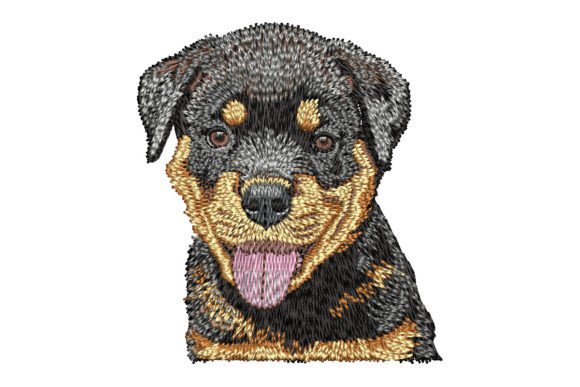
The title Rottweiler Puppy immediately sets an expectation of warmth and approachability. In the world of Dogs and pet-themed merchandise, realism is a double-edged sword. Too abstract, and you lose the emotional connection; too detailed, and you risk a messy stitch-out. Upon reviewing the description, which highlights "Realistic Dog" and "Realistic Puppy For Rottweiler and dog lovers," the design positions itself as a premium asset. The promise that you can "Stitch it out to see the animal come to life" suggests a focus on depth and shading rather than flat, cartoonish outlines.
For a boutique or a pet-centric brand, this aesthetic is invaluable. It feels professional yet friendly, striking a balance between elegant portraiture and playful charm. The note that "The colors are based on ISACORD 40" is a significant detail for us professionals. ISACORD is a standard in the industry, meaning the color palette is likely vibrant and reliable. However, the warning that "You have to convert them if t" (presumably if using different thread brands) is a crucial reminder. This is not a plug-and-play file for every machine setup without some pre-production attention.
Strategic Applications for Small Business Merch
When I evaluate a digital embroidery file, I ask: Where does this live in a customer’s life? The Rottweiler Puppy design is versatile enough to anchor several key product categories for small business merch.
- Embroidered Patches: This is perhaps the strongest use case. A realistic puppy portrait works beautifully as a standalone patch. Customers love collecting patches for jackets, backpacks, and hats. The detailed nature of the design allows for a high perceived value, making it suitable for premium pricing.
- Custom Apparel and Uniforms: For dog walkers, pet sitters, or veterinary clinics, having a professional logo or accent on staff uniforms builds trust. Placing this design on the chest pocket of a work shirt or as a sleeve detail on a polo adds a touch of personality without sacrificing professionalism.
- Apron Embroidery: Bakeries, florists, and craft studios often use aprons as walking billboards. A realistic animal design can soften the look of a uniform, making the brand feel more approachable and community-focused.
- Tote Bag Design: Canvas totes are staples for eco-friendly brands. The contrast of a detailed, colorful puppy against natural canvas creates a striking visual that appeals to animal lovers and shoppers alike.
- Cap Embroidery: While challenging due to curvature, a simplified version or a smaller scale of this design could work on dad hats or beanies, appealing to the casual wear market.
Navigating Technical Challenges in Production
While the artistic merit of the Rottweiler Puppy is clear, the technical execution requires careful planning. Realistic designs often rely on subtle color transitions and fine details. Here is where many small businesses stumble.
Stitch density is a primary concern. High-detail realistic images can sometimes result in heavy stitch counts, which may cause puckering on lightweight fabrics. If you are stitching this on a thin cotton tote or a delicate blouse, you must test extensively. Conversely, on heavy denim or canvas, the design should sit well, provided your tension is calibrated correctly.
Another critical factor is thread colors. Since the design is optimized for ISACORD 40, switching to Madeira, Sulky, or Coats & Clark threads will require manual conversion. Do not assume the auto-convert feature on your software will perfectly match the intended shading. I recommend creating a printable mockup with your specific thread chart to preview contrast issues before hitting the start button.
Size matters immensely. If you attempt to shrink this design for a tiny left-chest logo or a small patch, the fine details of the puppy’s fur and eyes may merge into a blob. Always check the minimum recommended size. If the file documentation does not specify a minimum hoop size or dimension, stitch a test sample at your intended size first. Look for thread breaks or lost details in the facial features, which are the focal point of any realistic animal portrait.
Enhancing Brand Identity and Customer Trust
Incorporating a high-quality design like Rottweiler Puppy into your design assets does more than just decorate a product; it elevates your brand identity. In the crowded marketplace of Etsy sellers and handmade creators, professionalism is the differentiator. A crisp, well-stitched realistic image signals to the buyer that you care about quality.
For pet brands, this design fosters an emotional connection. Dog lovers are passionate consumers. When they see a breed they love represented accurately and beautifully, it triggers an immediate positive response. This emotional engagement translates to higher conversion rates and customer loyalty. Furthermore, using consistent, high-quality imagery across your custom apparel, packaging accents, and social media creates a cohesive visual language that makes your brand memorable.
Practical Designer Notes for Implementation
Before you launch this design into your production line, follow these steps to ensure a flawless finished product:
- Test on Real Fabric: Never skip this step. Stitch the design on the exact material you plan to sell. Fabric texture affects how stitches lay down. A smooth polyester will look different than a textured cotton twill.
- Use Proper Stabilizer: For realistic designs with potential density, a cut-away stabilizer is often safer than tear-away, especially for items that will be washed frequently. This prevents distortion over time.
- Check Commercial Licensing: Ensure that your purchase of the embroidery file includes commercial rights. Most designers allow small business use, but always confirm the terms to protect your business legally.
- Create Client Mockups: If you are doing custom work for a client, show them a digital mockup first. Manage expectations regarding color variations between screen and thread.
- Evaluate Wash Durability: Realistic designs with many color changes can be prone to thread snagging if not secured properly. Trim jumps carefully and consider using a mesh top stabilizer if the fabric is prone to shifting.
In conclusion, the Rottweiler Puppy design offers a compelling opportunity for businesses in the pet and lifestyle sectors. It bridges the gap between artistic expression and commercial utility. By respecting the technical requirements of realistic Embroidery and strategically placing the design on appropriate products, you can create merchandise that not only sells but also builds a lasting connection with your audience. Treat this file not just as an image, but as a tool for brand storytelling, and it will serve your business well.