Fruits Embroidery: A Designer’s Review for Craft Fair Success
As an embroidery designer who has spent countless hours behind the hoop and even more time standing behind a booth table at weekend markets, I have learned that not all designs are created equal. Some are technically impressive but visually quiet; others are simple yet impossible to ignore. Today, I am reviewing Fruits, a machine embroidery design that promises to be a quick and easy way to add personality to fabric. For those of us running small shops, Etsy stores, or handmade boutiques, the question is not just whether it stitches out well, but whether it sells.
First Impressions: The Visual Hook
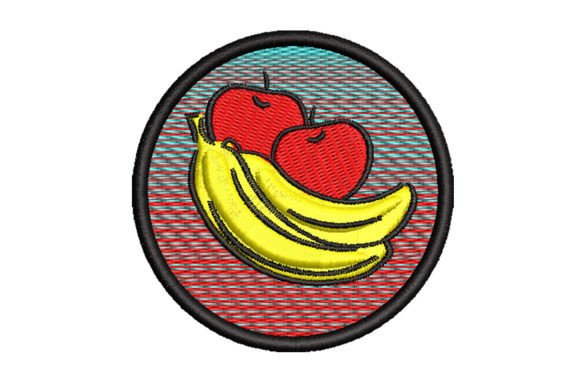
When I first pulled up the preview for Fruits, my immediate reaction was one of approachable charm. In the world of Food themed Embroidery, there is a fine line between kitschy and chic. This design leans into a playful, modern aesthetic that feels right at home in today’s market. It does not try to be overly realistic or hyper-detailed, which is actually a strength for commercial production. The shapes are recognizable and bold, making them easy for customers to understand at a glance. Whether you are aiming for a farmhouse vibe, a bright summer feel, or a cute accent for children’s items, this design offers versatility without losing its identity.
The description notes that this is a creative way to personalize clothing and home decor. From a designer’s perspective, "quick and easy" often translates to lower stitch counts and faster run times. This is crucial for craft fair sellers who need to produce inventory in batches. If a design takes twenty minutes to stitch instead of two hours, your profit margin on each handmade product increases significantly.
Product Potential: Where Fruits Shines
To determine the true value of this digital embroidery file, I mentally placed it on various blanks commonly sold at maker markets. Here is how Fruits performs across different categories:
- Tote Bags and Market Bags: This is arguably the strongest application. A large, colorful fruit motif on a canvas tote creates an instant statement piece. It acts as a perfect tote bag design because the flat surface allows the design to lay without distortion. Customers love items that are both functional and decorative, and this design adds that necessary pop of color.
- Aprons and Tea Towels: Kitchen textiles are perennial bestsellers. For apron embroidery, placing the design on the bib or the lower corner creates a balanced look. However, for tea towel embroidery, caution is needed. Towels have a loose weave and texture that can swallow small details. If the design has fine lines, it may get lost. I recommend testing on a smooth waffle weave or flour sack towel first to ensure clarity.
- Embroidered Patches: Patches are low-commitment purchases for buyers. If Fruits holds up at a smaller scale, it makes an excellent embroidered patch. These can be ironed onto denim jackets or backpacks, expanding your customer base to those who want a custom look without buying a whole new garment.
- Caps and Headwear: Curved surfaces are tricky. If the design is wide, it may distort on the front panel of a cap. However, if it is compact, it could work beautifully on the side or back. Always consider the hoop size limitations of your machine when planning headwear projects.
Production Realities: Stitch Density and Fabric Choice
While the aesthetic appeal is high, we must discuss the technical side. The product description mentions it is for machine use, but it cuts off before specifying file formats or exact stitch counts. As a professional, I advise you to check these details before purchasing. Knowing the stitch density is vital. High-density designs can pucker lightweight fabrics like rayon or thin cotton, while low-density designs might look sparse on heavy denim.
When working with Fruits, pay close attention to thread colors. Fruit designs rely heavily on vibrant, saturated threads to look appetizing and fresh. Cheap thread will look dull and flat. Invest in high-quality polyester or rayon threads to make the design pop. Additionally, consider your stabilizer. For stretchy fabrics like t-shirts, a cut-away stabilizer is non-negotiable to prevent the design from warping after washing. For woven fabrics like tote bags, a tear-away might suffice, but always test on scrap fabric first.
Another critical factor is fabric texture. As mentioned with towels, textured surfaces can break up the visual continuity of embroidery. If you are selling on Etsy, your photos must show the texture clearly. A blurry photo of a textured towel with embroidery can look messy rather than handmade. Use good lighting and close-up shots to highlight the quality of the stitches.
Marketing and Sales Strategy
For the Etsy seller or craft fair vendor, presentation is everything. Fruits has a natural advantage here because it is visually friendly. It photographs well, which is essential for creating compelling printable mockup images for your online listings. You do not need to stitch every single item to sell it; creating a few high-quality samples and using them in digital mockups can save time and materials.
Consider bundling. Since this is a small shop product with broad appeal, pair a fruit-embroidered tote with a matching pouch or kitchen towel. This increases the perceived value and encourages larger purchases. For booth displays, use the bright colors of the fruit to draw the eye. Place these items at eye level or in high-traffic areas of your table. The cheerful nature of the design invites engagement, making it easier to start conversations with potential buyers.
Designer Notes for Best Results
Before you commit to a full production run, follow these steps to ensure quality:
- Test on Scrap: Never stitch directly on your final product without a test run. Use the same fabric and stabilizer combination you plan to sell.
- Check Contrast: Ensure your thread colors contrast well with the fabric. Dark threads on dark fabric will disappear. Light threads on white fabric may lack definition.
- Verify Licensing: The description hints at commercial use, but always confirm the license terms of the design assets. Ensure you have the right to sell the finished product commercially.
- Inspect Details: Look for any tiny details or lettering that might not stitch out cleanly. If the design includes small elements, consider resizing or simplifying if your machine struggles with precision.
In conclusion, Fruits is a strong contender for your craft fair product lineup. It balances aesthetic appeal with production efficiency. By paying attention to fabric choice, stabilizer selection, and presentation, you can turn this simple machine embroidery design into a profitable staple of your handmade business. Remember, the goal is not just to stitch a design, but to create a product that brings joy to the buyer and profit to your shop. With careful execution, this fruit-themed embroidery can do exactly that.