Feast Mode: A Designer’s Review for Branded Merch
As an embroidery designer who has spent years digitizing and testing files for small businesses, I approach every new machine embroidery design with a critical eye. It is not enough for a design to look cute on a screen; it must perform flawlessly on fabric, withstand commercial washing, and elevate the brand identity of the business using it. Recently, I evaluated Feast Mode, a digital embroidery file positioned within the Thanksgiving category, to determine its viability for professional merchandise applications. This review focuses on how this design functions for small business owners, apparel decorators, and handmade brands looking to create high-quality, branded assets.
First Impressions: Visual Personality and Brand Fit
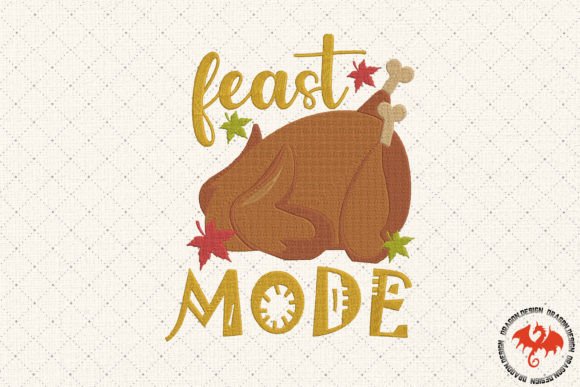
The title Feast Mode immediately suggests a playful, bold, and slightly humorous tone. In the context of embroidery, this implies a design that is likely typographic or features iconic imagery associated with dining, celebration, and abundance. For a boutique, bakery, or creative studio, this aesthetic can be incredibly powerful. It moves away from stiff corporate branding and leans into a friendly, approachable vibe that resonates with modern consumers.
When reviewing the visual potential of Feast Mode, I look for balance. Does it feel premium or cheap? Based on its description as a versatile file for outfits and home decor, the design appears to prioritize versatility. For a local café or a pet brand, this playful energy can serve as an excellent conversation starter. However, for high-end luxury boutiques, the designer must ensure the execution—through thread choice and fabric selection—maintains an air of elegance despite the playful subject matter. The key is whether the digitization supports a clean, professional finish that aligns with your specific brand identity.
Real-World Applications for Small Business Merch
The true test of any digital embroidery file is its adaptability across various products. Feast Mode is described as suitable for outfits, home decor, and gifts, which opens several doors for commercial embroidery projects. Here is how I envision this design performing in real business scenarios:
- Staff Uniforms and Aprons: For bakeries and cafés, apron embroidery is a subtle yet effective marketing tool. Placing Feast Mode on the chest pocket or lower corner of a canvas apron adds personality to staff uniforms. It reinforces the brand’s fun atmosphere without overwhelming the customer.
- Embroidered Patches: This is perhaps the most versatile application. An embroidered patch allows businesses to create removable branding for jackets, tote bags, or hats. If the design holds up well at smaller sizes, it becomes a valuable asset for creating limited-edition merch drops.
- Tote Bag Design: Canvas totes are staples for handmade shops and florists. A bold Feast Mode design centered on a tote bag transforms a simple utility item into a walking advertisement. The contrast between the thread colors and the natural fabric texture can create a rustic, artisanal look that buyers love.
- Cap Embroidery: Front-panel cap embroidery requires precise digitizing to account for the curved surface. If Feast Mode has appropriate stitch density and underlay, it can work beautifully on dad hats or trucker caps, offering customers a stylish way to rep their favorite local spot.
Technical Considerations and Production Challenges
While the concept is strong, the technical execution determines the quality of the finished product. As a designer, I advise caution in several areas when preparing Feast Mode for production. First, consider the stitch density. If the design is too dense, it can cause puckering, especially on lighter fabrics like t-shirts or thin tote bags. Conversely, if it is too sparse, the fabric may show through, ruining the visual impact.
Small patch sizes present another challenge. If you intend to shrink Feast Mode for a small label or sleeve detail, you must verify that any lettering remains legible. Tiny lettering often merges together during stitching, resulting in a blob rather than readable text. Always request a test sew-out on the actual fabric you plan to use. Fabric texture plays a significant role; textured towels or rough canvas may require different stabilizer strategies compared to smooth polyester uniforms.
Additionally, dark uniforms require careful planning for thread colors. If the design relies on light threads for contrast, ensure you use a white or light-colored underlay to prevent the dark fabric from dulling the top stitches. This attention to detail separates amateur hobbyists from professional embroidery shops.
Enhancing Brand Identity and Customer Trust
Consistency is key to building brand recognition. Using a distinct design like Feast Mode across multiple touchpoints—from employee apparel to customer gifts—creates a cohesive visual language. When customers see the same high-quality embroidery on their tote bag and the barista’s apron, it builds trust. It signals that the business cares about details and invests in quality.
For Etsy sellers and crafters, offering items with unique, well-digitized designs can justify higher price points. A handmade product featuring professional embroidery feels more valuable than one with printed graphics. Furthermore, creating a printable mockup of Feast Mode on various products can help clients visualize the final result, increasing conversion rates for custom orders. It transforms a simple transaction into an emotional connection with the brand.
Practical Designer Notes for Best Results
To ensure success with Feast Mode, follow these practical steps before launching your full production run:
- Test in Black and White: Before selecting vibrant thread colors, stitch the design in black thread on white fabric. This reveals the clarity of the digitizing and highlights any spacing issues without the distraction of color.
- Check Hoop Size Compatibility: Confirm that the design fits within your standard hoop size. If it requires a large hoop, it may limit your ability to embroider smaller items like caps or pockets efficiently.
- Select the Right Stabilizer: Match your stabilizer to the fabric. Use cut-away stabilizer for stretchy knits and tear-away for stable woven fabrics like canvas or denim. This prevents distortion and ensures the design lays flat.
- Verify File Formats: The product description states that Feast Mode comes with multiple embroidery file formats. Ensure you have the correct format for your specific machine brand (e.g., PES, DST, JEF) to avoid conversion errors that can alter stitch paths.
- Confirm Commercial Licensing: Before selling any items featuring this design, strictly review the license terms. Some designers allow unlimited commercial use, while others restrict the number of physical items you can sell. Never assume; always verify.
Final Verdict for Merch Creators
Feast Mode offers a promising opportunity for small businesses looking to inject personality into their merchandise. Its potential extends beyond seasonal Thanksgiving promotions, serving as a year-round asset for food-related brands, lifestyle boutiques, and creative studios. By paying close attention to technical details like stitch density, fabric texture, and proper stabilizer use, you can transform this digital asset into a premium physical product. Whether used for custom apparel, branded patches, or corporate gifts, the success of this design lies in the precision of its execution. For the serious merch creator, it is a worthwhile addition to your library of design assets, provided it is tested thoroughly and applied strategically.