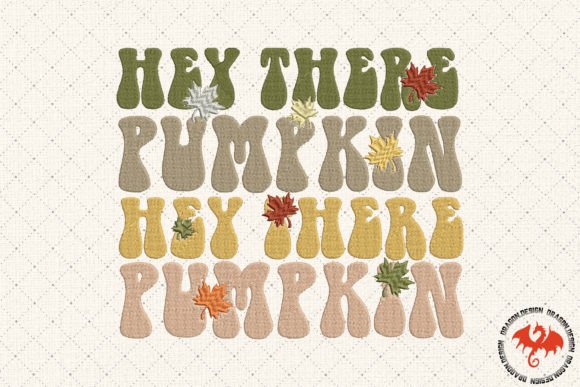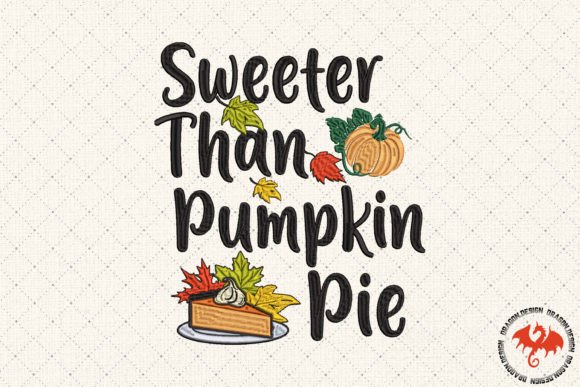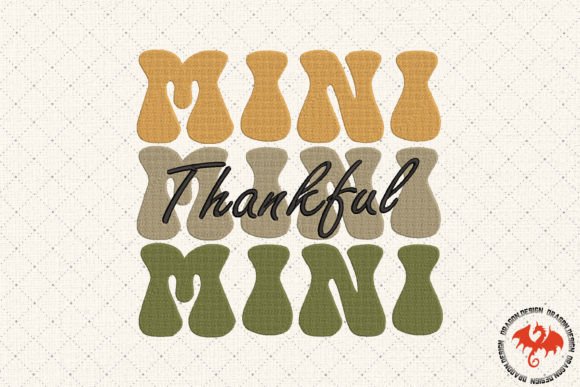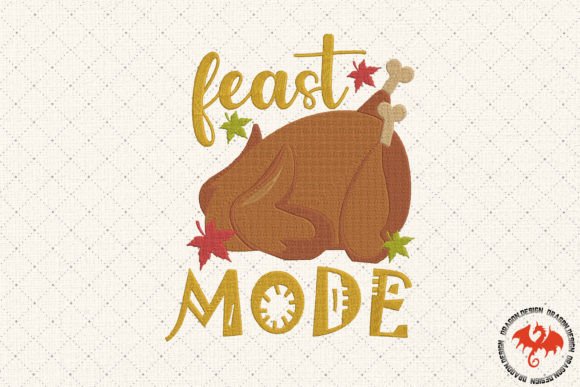
Vintage Pumpkin: A Designer’s Review for Craft Fairs
As an embroidery designer who has spent countless hours digitizing and testing motifs, I approach every new machine embroidery design with a critical eye. It is not just about how it looks on the screen; it is about how it performs in the real world. When I loaded the Vintage Pumpkin file into my software, my immediate goal was to determine its viability for the upcoming holiday season. Specifically, I wanted to know if this design could carry weight in a busy craft fair booth or stand out in a crowded online marketplace.
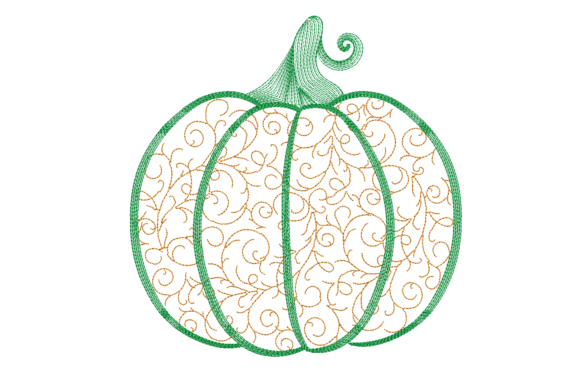
The premise of Vintage Pumpkin is straightforward yet powerful. It is an original pumpkin embroidery intended for decorating Thanksgiving home decor items, table cloths, napkins, or matching clothes for the entire family. The promise is to create a festive mood with a beautiful design. But does it deliver? After reviewing the aesthetic and considering production logistics, I believe this piece holds significant potential for craft fair product lines, provided it is applied correctly.
First Impressions: Rustic Charm Meets Modern Simplicity
The first thing that strikes you about Vintage Pumpkin is its tone. It does not scream for attention with neon brightness or overly complex shading. Instead, it leans into a rustic, farmhouse aesthetic that feels both nostalgic and current. For an Etsy seller or boutique maker, this is crucial. Buyers are increasingly drawn to items that feel handmade and authentic rather than mass-produced. The "vintage" descriptor suggests a muted color palette or a classic shape, which pairs beautifully with natural fibers like linen and cotton.
This design feels decorative and soft, avoiding the harshness of some modern minimal styles while steering clear of the clutter often found in traditional holiday motifs. It is elegant enough for a dinner party hostess gift but approachable enough for a child’s autumn outfit. This versatility is what makes it a strong contender for a diverse product line.
Product Application: Where This Design Shines
To truly evaluate a digital embroidery file, you must imagine it on various substrates. I visualized Vintage Pumpkin across several key categories to see where it would generate the most sales.
- Tote Bags and Market Bags: A large-scale version of this design centered on a canvas tote creates an instant tote bag design staple. It is practical, visible, and serves as walking advertising for your brand.
- Kitchen Textiles: For tea towel embroidery or napkins, the design acts as a charming accent. Placed in the corner or along the hem, it adds value without overwhelming the fabric’s utility.
- Apparel and Aprons: An apron embroidery featuring this pumpkin motif transforms a standard kitchen tool into a cherished heirloom. It also works well for matching family shirts, capitalizing on the trend of coordinated holiday outfits.
- Small Accessories: As an embroidered patch or on a small fabric pouch, the design needs to be scaled down carefully. If the details hold up at a smaller size, it becomes a perfect impulse buy item for checkout counters.
For those creating printable mockup assets for online listings, this design photographs exceptionally well. Its clear lines and thematic relevance make it easy to style with autumn leaves, gourds, and warm lighting, enhancing the perceived value of the finished product.
Production Practicality and Stitch Quality
From a production standpoint, efficiency is key. When preparing for a weekend market, you need designs that are reliable. While the specific stitch count and file format details are not explicitly listed in the brief description, any experienced embroiderer knows to check these before running a batch. You must verify the hoop size requirements to ensure the design fits your standard frames without excessive re-hooping.
Stitch density is another critical factor. A vintage-style design should ideally have balanced density. If it is too dense, it can pucker lightweight fabrics like voile or thin cotton. If it is too sparse, it may lack the premium feel customers expect from a handmade product. I recommend running a test stitch-out on scrap fabric similar to your final product material. This allows you to inspect the spacing and ensure there are no unnecessary jumps or thread breaks.
Consider the thread colors carefully. Since the design is titled "Vintage," opting for burnt orange, mustard yellow, or deep olive greens will enhance its appeal. Avoid bright, synthetic-looking oranges unless you are aiming for a playful, cartoonish look, which seems contrary to the "vintage" intent.
Navigating Challenges and Careful Use
Even the best designs have limitations. Here are some careful-use notes to keep in mind when working with Vintage Pumpkin:
- Fabric Texture: Heavily textured towels can obscure fine details. Ensure the design elements are bold enough to remain visible on terry cloth or waffle weave.
- Curved Surfaces: Embroidering on caps requires precision. If placing the pumpkin on a curved cap surface, check that the design does not distort. A smaller, simpler version often works better here than a large, detailed one.
- Dark Fabrics: If stitching on dark navy or black fabric, ensure your thread contrast is high. You may need to use an underlay or a lighter backing to prevent the fabric color from dulling the pumpkin’s vibrancy.
- Scaling Limits: Be cautious when shrinking the design for tiny items like coin purses. Tiny lettering or intricate edges may lose clarity. Always zoom in on your software to preview the smallest intended size.
Using the right stabilizer is non-negotiable. For stretchy knits used in family matching clothes, a cut-away stabilizer provides necessary support. For woven linens, a tear-away might suffice, but always test to prevent puckering.
Boosting Brand Consistency and Sales
Incorporating Vintage Pumpkin into your lineup does more than just add a seasonal item; it strengthens your brand identity. Consistency in style helps customers recognize your work. If your shop is known for rustic, high-quality goods, this design fits seamlessly. It enhances visual appeal and draws customer attention in a booth display. A well-stitched pumpkin on a neutral tote bag invites touch and inspection, increasing buyer engagement.
For commercial embroidery purposes, remember to confirm licensing terms. While the description mentions creating items for sale, always double-check the specific license included with your design assets. Ensuring you have the right to sell finished products protects your business and builds trust with your customers.
Final Verdict for the Seasonal Seller
The Vintage Pumpkin embroidery design is a solid addition to any autumn inventory. It balances aesthetic appeal with practical application, making it suitable for a wide range of small shop product offerings. By paying attention to fabric choice, thread selection, and proper stabilization, you can produce items that look professional and sell quickly.
Whether you are digitizing your own variations or using this as a base, the key is to treat it as a premium element. Create at least one real mockup to see how it interacts with light and texture. Compare different fabric colors to find the combination that pops. With careful execution, this design can become a cornerstone of your Thanksgiving collection, driving sales and delighting customers looking for that perfect touch of festive warmth.